E-commerce: New requirements for the labelling of energy-related products
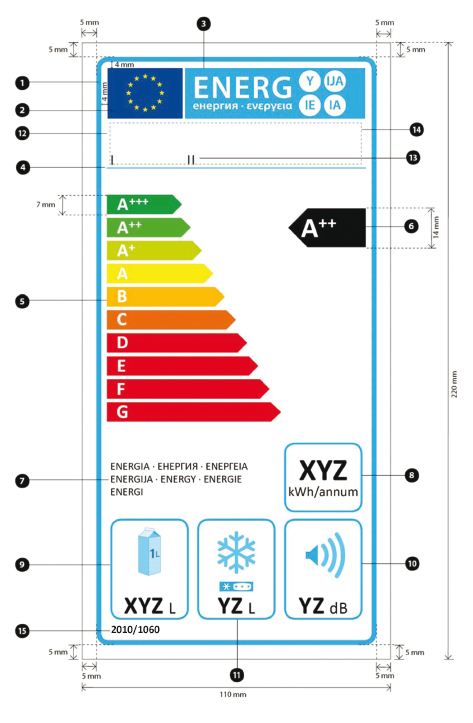
How mandatory information (such as energy consumption and/or energy labelling class) specifically has to be presented has not only to date not been stipulated for “white goods” (such as fridges, washing machines and dishwashers) and consumer electronics (e.g. televisions), but has not been stipulated either for numerous other categories of consumer goods which are sold at a distance via e-commerce platforms. The labels and product fiches required by the various Delegated Regulations have to date only had to be provided by appliance and device manufacturers for brick and mortar retailers and only had to be used by retailers in brink and mortar outlets. The amendment of Delegated Regulations based on the Labelling Directive 2010/30/EU, which comes into force on 1 January 2015, now significantly extends product labelling obligations for manufacturers and retailers of such consumer goods.
The changes (summarised in Delegated Regulation (EU) 518/2014)) now require manufacturers not only to provide the mandatory information to retailers in electronic form, but also the label and the product fiche. Retailers who sell such products via e-commerce platforms now also have to provide this mandatory information on their product websites from the beginning of next year. The amended Regulations now expressly state in detail how this information has to be presented. Although the new labelling obligations only apply for product models which are placed on the market after 1 January 2015 with a new model identifier, manufacturers can also provide the mandatory information for older models on a voluntary basis.
The changes contained in the Delegated Regulations are not just relevant from the point of view of general product compliance. Competition law and the claims resulting from this also have to be borne in mind because infringements of regulations governing the energy labelling of products are to all intents and purposes consistently seen as unfair commercial practices by case law. Such infringements can in conjunction with Sections 3 and 4 No 11 of the German Act Against Unfair Competition trigger cease and desist claims under competition law, which can often be cautioned and asserted in court both by competitors and by consumer protection organisations authorised to take legal action.
Well
informed
Subscribe to our newsletter now to stay up to date on the latest developments.
Subscribe nowInsights